
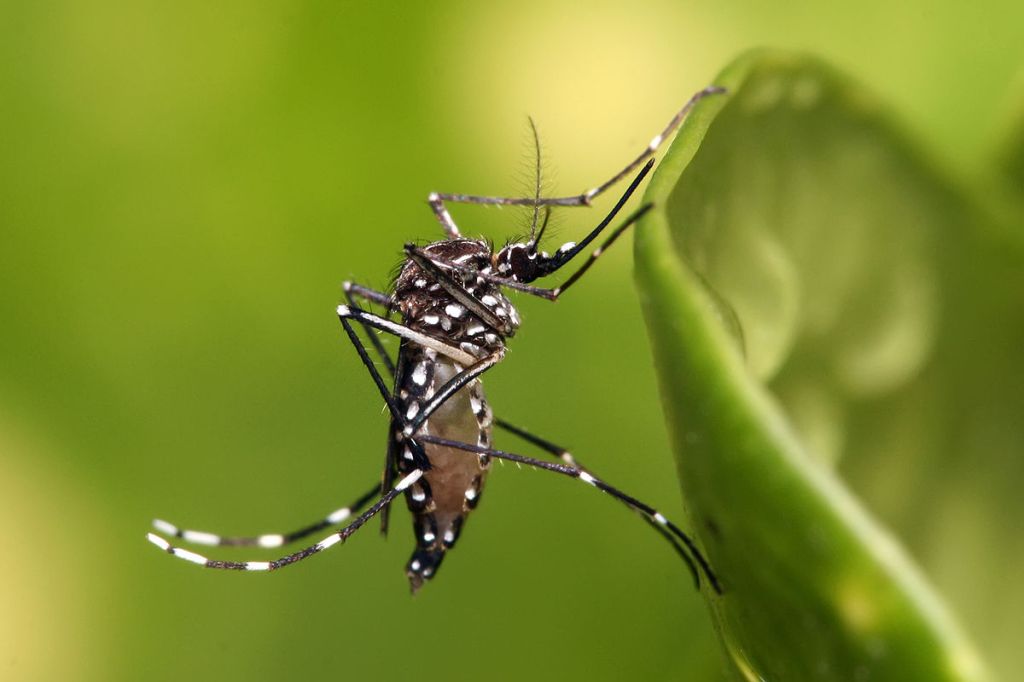
The Columbus County health department reminds people to take precautions against mosquito bites following recent reports of WNV infection in the county. Late summer and early autumn are the most common times to become infected with West Nile virus, and other arboviruses that occur in NC.
Three cases of WNV have been reported since mid-July. All have survived, but all were hospitalized, highlighting the potential seriousness of this infection. This is more than the average number of cases normally reported at this time of year.
“This is a reminder that West Nile virus transmission is active in the late summer and autumn months” said Kim Smith, Columbus County Health Director. “We urge residents to protect themselves from mosquito bites, and local governments to implement integrated mosquito management methods for mosquito control.”
According to the Centers for Disease Control and Prevention most people who become infected with WNV do not develop any symptoms. About 1 in 5 people who are infected develop a fever with other symptoms such as headache, body aches, joint pains, vomiting, diarrhea, or rash. About 1 in 150 people who are infected develop a severe illness (called neuroinvasive disease) affecting the central nervous system such as encephalitis (inflammation of the brain) or meningitis (inflammation of the membranes that surround the brain and spinal cord).
West Nile is not the only mosquito-borne virus in the state. Normally about 20 neuroinvasive cases of La Crosse encephalitis are reported each year in the western part of the state, and there is always a small risk of contracting eastern equine encephalitis in the eastern counties.
Columbus County Health Department recommends individuals take the following precautions:
Use mosquito repellent that contains DEET (or equivalent) when outside in areas where mosquitoes might be present. Use caution when applying to children.
Install or repair and use window and door screens.
Close doors, including garage doors. Do not leave doors propped open.
Use air conditioning when possible.
Reduce mosquito breeding by emptying standing water from flowerpots, gutters, buckets, pool covers, pet water dishes, discarded tires and birdbaths at least once a week.
If you think you or a family member might have WNV disease, talk with your health care provider.
Statement provided by Columbus County Health Department.
 Columbus Daily News
Leave a comment